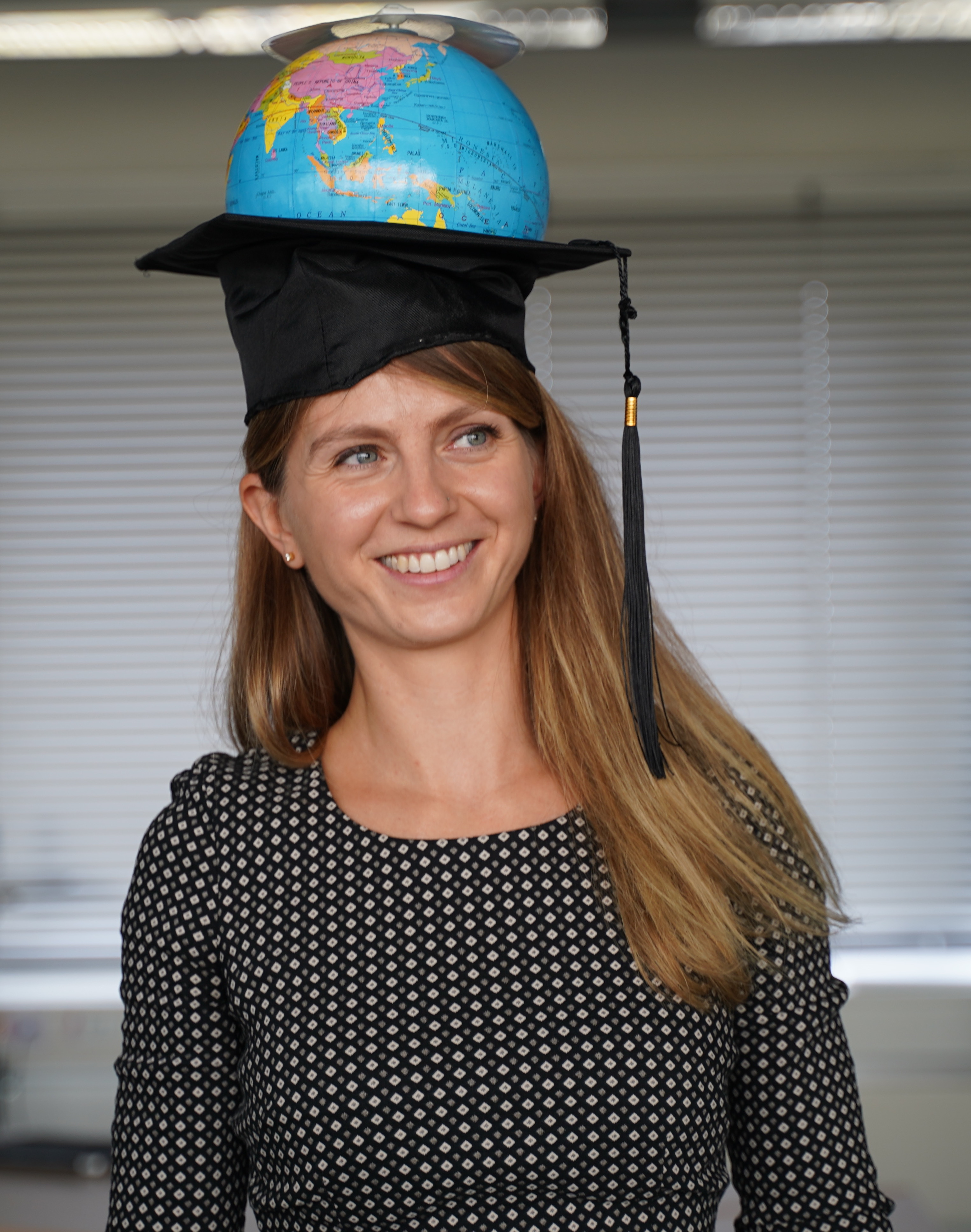
According to the UNESCO Science Report, today only 29% of researchers are women, and only 3% of Nobel Prizes in science have been awarded to women. Although men and women are often similarly represented in undergraduate courses in science, technology, engineering, and mathematics (STEM), the number of women in academia drops at each successive career stage. Diverse workplaces are more productive, innovative, and creative, because people with different backgrounds approach problems in different ways, ask different questions, and develop different ideas and strategies. This is one of the reasons why the under-representation of women in academia has important consequences not only for individuals, but for the research system as a whole.
Women in Fluid Dynamics UK
Supporting visibility, inclusion, and community in science is something I care deeply about. I am part of the Women in Fluid Dynamics UK Special Interest Group committee, which promotes networking, representation, and support for women in the fluid dynamics community. I value the opportunity to contribute to a more supportive and connected research environment.
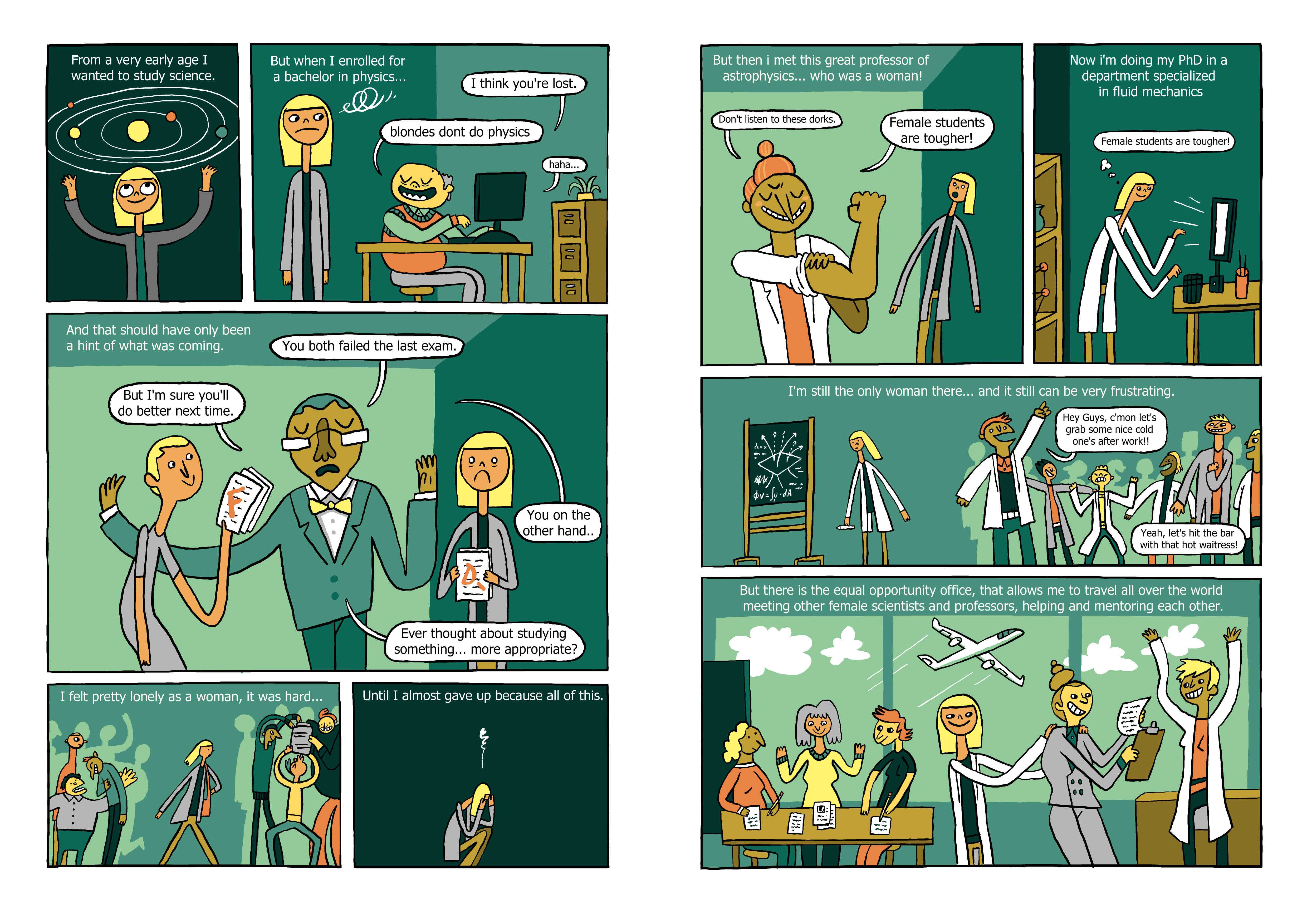
Of Course!
One way to address the systematic under-representation of women along the academic career path — often referred to as the “leaky pipeline” — is to provide visible role models for students and the wider scientific community. A beautiful initiative in this area is the comic book “Of course!”, designed, produced, printed, and distributed by LMU Munich in November 2020. My story is featured alongside eight other illustrated interviews with researchers who experienced gender bias and imbalances at home, during their education, and in the workplace. The project aims to inspire and encourage young women by showing how positive change can help make a scientific career both fulfilling and sustainable. Here is my story, illustrated by the graphic designer and cartoonist Dominik Wendland.

Italian projects for female students in STEM
I was interviewed by the journalist Benedetta Moro for an article in the Italian newspaper Il Piccolo on 26 January 2021. The piece focused on my involvement in the “Of course!” project and presented it as an example of the importance of visible female role models in science. It also touched on some of the challenges women often face in academia, and on the importance of encouragement, support, and institutional commitment in helping more women build careers in research. The article also mentions my receiving the Max Grunebaum Prize for the best doctoral thesis at BTU Cottbus-Senftenberg and being shortlisted for the Bertha Benz Prize.